
Roof-water and private drainage
Roof plumbing and stormwater across Sydney
Help with gutters, downpipes and private stormwater drainage, tracing the connected water path to understand where the problem starts.
Call Tommy
0410 908 209Reviews provided by 
Trace the water path
Start where rainwater stops moving properly
The timing and position of overflow or water entry helps distinguish roof drainage, downpipes, private stormwater and other roof defects.
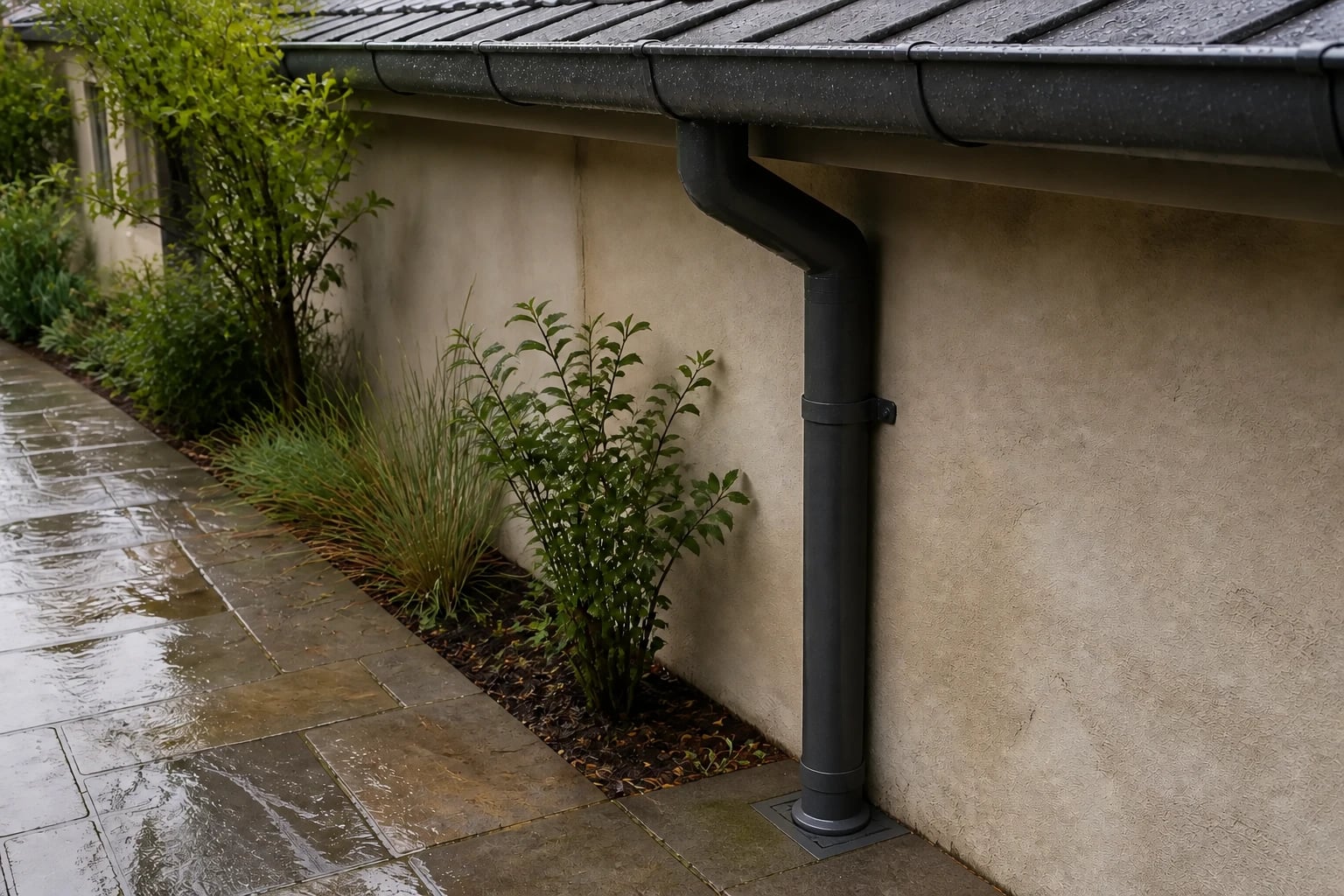
Gutters overflowing
Note where water spills, whether it happens along the gutter or near a downpipe and how heavy the rain was.
Downpipes backing up
Water pushing from joints or the base can point to a restriction or connection problem further down.
Water entering the building
Record whether it appears only during rain and where it sits relative to gutters, valleys and downpipes.
Stormwater surfacing outside
Ponding or overflow near pits and private lines may need drain investigation as well as roof-water checks.
Roof and stormwater scope
Follow the private system from roof to drain
TotalCare assesses suitable accessible roof plumbing and private stormwater plumbing within its licensed scope.
Gutters and downpipes
Assess, repair or replace suitable roof-water components.
Roof drainage
Investigate the plumbing that collects and carries water from the roof.
Private stormwater plumbing
Investigate suitable private lines, pits and connections within the property scope.
Leak source direction
Explain whether the available evidence points to roof plumbing, stormwater or another roof/building issue.
Assessment and approval
Understand the source before changing the system
The proposed work must fit the property’s private plumbing and any approval requirements that apply.
Record the rain pattern
Note the rainfall conditions, overflow point and where water appears inside or outside.
Inspect safe accessible components
Follow gutters, downpipes, pits and private stormwater sections relevant to the symptom.
Define the property boundary
Identify where private plumbing meets public or council-controlled drainage.
Confirm approval needs
Check the relevant council or authority requirements before work that affects public drainage or land proceeds.
Common questions
Roof plumbing and stormwater questions
Do you repair roof leaks?
TotalCare handles suitable roof plumbing and drainage faults within its licence. Roof coverings, waterproofing or structural defects may need another trade.
Can a blocked downpipe cause water to enter the building?
It can contribute to overflow, but the source still needs to be checked because roof, gutter, flashing and building defects can produce similar signs.
Does stormwater work need council approval?
Some work can. NSW Section 68 processes can apply to stormwater drainage work and connections involving council-controlled systems. The requirement should be checked for the property and proposed work.
Is every stormwater blockage on private property?
No. The location of the fault and the point where private plumbing connects to public drainage determine who needs to be involved.
What photos help with a rainwater problem?
Send wide photos showing the roof edge, gutter, downpipe and ground connection, plus close views of the overflow or water entry point.
Need a plumber?
Speak directly with Tommy
Call for urgent help, or send the job details when the work can be planned.